NFT How to Guide on Trading: NFTs Step-by-Step Beginners Guide.
NFT Basic Step-by-Step Guide for Traders (Beginners)
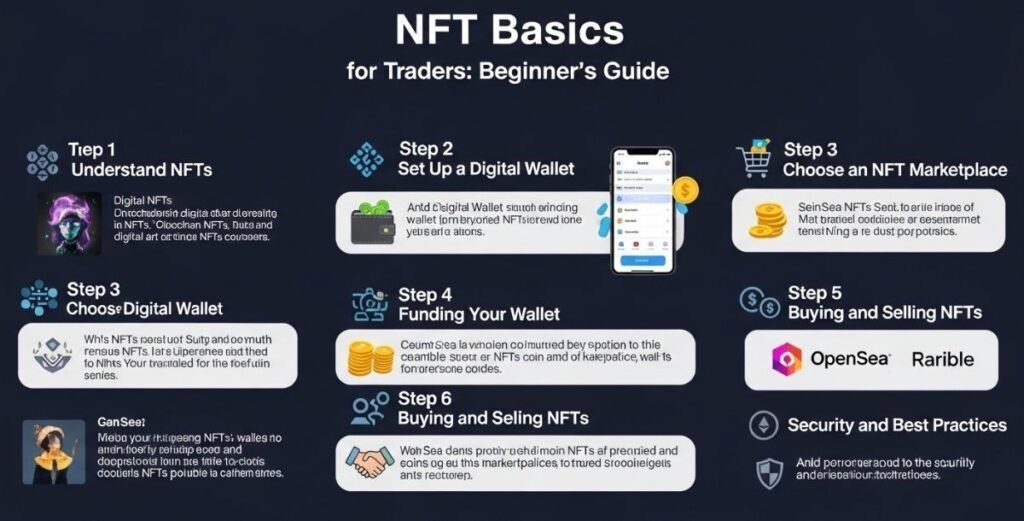
The fundamentals of NFTs among traders can be frustrating to those who intend to join the digital asset market but do not know how to start. NFTs appear lucrative on social media, but most novice traders end up in losses because of inadequate knowledge. In this guide, NFT for traders will be discussed step by step in simple terms to become familiar with the basics of NFT, the principles of trading, and how to act to avoid the most frequent errors.
What are NFTs and why are Traders interested?
What Does NFT Mean?
An NFT or Non-Fungible Token is a non-exchangeable digital file that is placed in a blockchain. In comparison to cryptocurrencies, e.g., Bitcoin or Ethereum, NFTs are not exchanged one-to-one. NFTs have their value, history of ownership, and metadata.
Why NFTs Attract Traders
The traders are attracted to NFTs due to their price variations and scarcity. One NFT can gain value within a short time in case of demand growth. The traders want to acquire NFTs at an early stage and sell them at a later time at a higher price, like other speculative markets.
The Real Issue Newcomers to NFT Trading Face
Information Overload and Hype
Novices usually experience information overload. Social media encourages easy money, but hardly explains principles. This gives unrealistic expectations and emotional trading decisions.
absence of Strategy and Risk Control.
NFTs are acquired by numerous new traders without research. They do not take into account liquidity, creator credibility, or market cycles. Consequently, NFTs have not been sold, trapping capital. Knowing the basic principles of NFT as a trader can resolve these issues one by one.
The NFT Trading Step-by-Step Guide for Beginners
Step 1 – Select the Adequate Blockchain
The majority of NFTs operate on blockchains such as Ethereum, Polygon, and Solana. Ether is the biggest market with increased fees. Polygon and Solana come with lower transaction costs and are, therefore, user-friendly.
Step 2 – Set Up a Secure Wallet
A crypto wallet includes your NFTs and funds. Such wallets as MetaMask or Phantom are usually used. Always put passwords in your wallets and never tell recovery phrases.
Step 3: Choose a Reliable NFT Market
NFTs can be sold and purchased through NFT markets. Popular platforms are OpenSea, Blur, and Magic Eden. Every marketplace possesses various fee frameworks, instruments, and user experiences.
Step 4 – NFTs Analysis Before Purchase
Study the project roadmap, reputation of the creator, community participation, and the volume of transactions before buying. NFTs where the community is active and actively used have a higher chance of doing well in the long run.
NFT Basics as a Trader – It is All about Value and Pricing.
What Makes an NFT Valuable?
NFT value relies on the rarity, demand, utility, and brand fame. The utility NFTs can be used as a form of access, rewards, or in-game features. The collectible NFTs are more based on cultural relevance and rarity.
Explained Liquidity and Floor Price
The bottom price is the lowest price of an NFT collection. The term liquidity is used to mean the ease with which an NFT can be sold. Low liquidity and high floor prices are risky. These are some of the concepts that a trader ought to understand when learning the basics of NFTs step by step.
Examples of the issues that first-time NFT Traders make
Overpaying Due to FOMO
The desire to feel left out compels newcomers to purchase NFTs at very high prices. The consequence of this is usually losses as hype dies off.
Ignoring Transaction Fees
Profits are lowered by gas charges and marketplace commission. Novices forget to compute such expenses prior to trading.
Too Long to Sell Illiquid NFT
Not all NFTs resell easily. Keeping low-demand NFTs costs capital and constrains the prospects.
The prevention of such errors enhances the performance of trading in the long run.
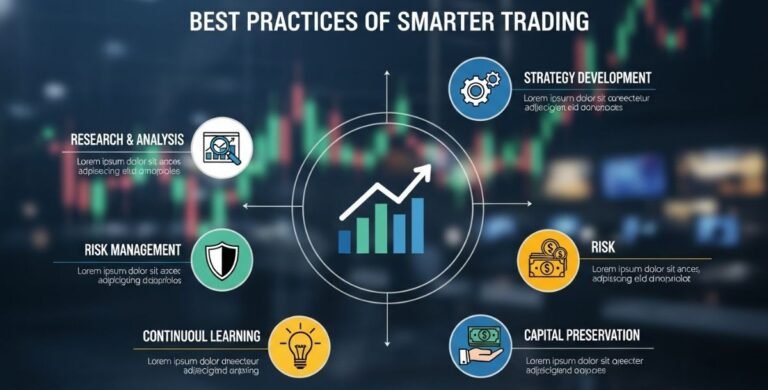
The Best Practices of Marking safe and profitable NFT Trading
Start Small and Scale Progressively
Start small to understand the market behavior. Exposure should be gradually increased as you get to know them better.
Monitor Market Trends and Data
Follow volumes, movement of prices, and activity of traders using analytics tools and marketplace statistics. Individual decisions based on data are better than those based on emotions.
Diversify NFT Holdings
Risk is minimized by diversification. Do not make a huge deposit in one collection or category.
These best practices can be used to solidify your NFT trading base.
NFT Traders: Helping Tools and Services

NFT Analytics Platforms
Rarity trackers and price history dashboards are some of the tools that assist the trader in identifying NFTs with low value. These applications are time-saving and enhance precision.
Wallet and Security Tools
Secure hardware wallets and transaction simulators increase the security. They guard merchants against fraud and spamming.
Smart decisions are made with the help of the appropriate tools without selling them aggressively.
NFT Trading? Not a Good Idea as a Beginner
NFT trading is appropriate with new beginners who can learn at a slow pace. It involves study, emotional control, and risk management. Individuals who are out to make money without working hard tend to fail. Knowing the basics of NFT as a trader enables an amateur trader to venture into the market with realistic expectations and well-thought-out plans.
FAQs
What are NFTs in simple words?
Unique digital tokens stored in a blockchain that verify the ownership of digital objects such as art or collectibles, are the NFTs.
Do novices make money in NFT trading?
Some NFTs may be a lucrative business, yet the novice needs to know the basics, risks, and market dynamics before placing their money.
What is the amount of money required to initiate NFT trading?
You will be able to begin with a low investment, depending on the marketplace and blockchain charges. A lot of newcomers start with less than a hundred dollars.
Are NTFs risky, in comparison with crypto trading?
NFTs are not as liquid or even speculative as cryptocurrencies, which necessitates risk management.
What NFT marketplace is most user-friendly?
New users should use easy-to-use sites with powerful analytics and security measures.
Conclusion
NFT tips of the trade: A beginner-friendly guide will give traders a clear guide to the developing market. Learning the mechanism of NFTs, risk detection, the correct use of tools, and best practices will allow novice traders to trade more qualitatively and ethically. In any case, to get serious about NFT trading, first of all, get an education, start small, and think of NFTs as an entry-level market, not a get-rich-quick scheme.