
Cryptocurrency risk management tips 101
Cryptocurrency Risk Management Advice: Small Investors and Beginners

Cryptocurrency risk management advice to novices and amateur investors cannot be considered an option. The cryptocurrency market is very volatile; lots of investors jump into the market with great enthusiasm and no strategy. Pricing is volatile, emotions run high, and small accounts are the biggest casualties. This guide will describe what crypto risk management is, why it is important, and how amateurs can implement it step by step in order to secure capital, minimize losses,s and trade freely rather than with fear.
What Is Crypto Risk Management?
Simple Definition of Beginners.
The process of managing the amount of money that you risk on each trade or investment is called Crypto risk management. It aims at shielding capital, then profits. Rather than posing the question, How much can I make? Smart investors pose the question, How much can I lose?
Why Crypto Risk Management Is Important
The crypto markets are capable of moving 10-20% within a day. It takes only one ill-advised decision to kill off a small account. Beginner tips on crypto risk management allow turning trading into a form of gamification instead of gambling.
The Real Problems Starting Investors and Small Investors Go through

Emotional Trading and Overconfidence.
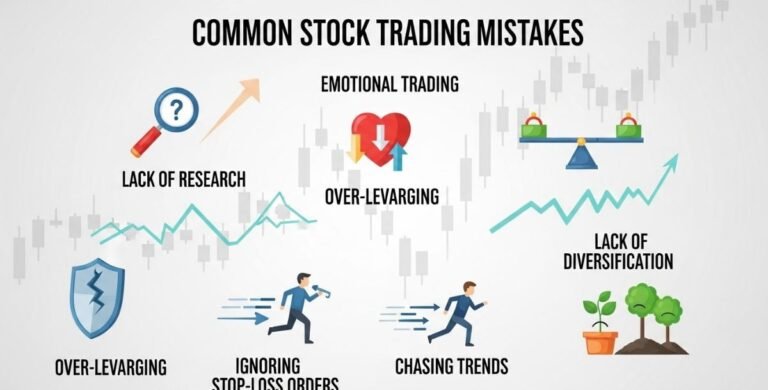
Novice traders may trade on hype, fear, or tweets. Emotional buying translates to high and low selling.
Low Capital and No Recovery Room
Small investors do not have huge funds to absorb the losses. A single wrong move will ruin the whole trip. That is why tips to manage crypto risks when an investor is a beginner and has a small amount of money at first are aimed at survival.
Cryptocurrency risk management tips (step by step).
Step 1 – Do not Gamble Away all Your Money
Always invest money that you can lose. Rent, savings, and emergency funds must not be part of crypto. Another basic principle is to begin with a low proportion of total savings.
Step 2 – Position Sizing Logically
And never keep all the money in a single coin. Only risk a little of each trade, about 1-2 percent of all capital. The strategy helps cushion small accounts against market volatility.
Step 3 – Always Set a Stop Loss
A stop loss is a program that limits the losses in case the market is going against you. It is the elimination of emotion in decision-making. Novices who do not make use of stop losses tend to repent.
Step 4 – Avoid Overtrading
Trading is too often and makes fees high and emotional. It is the quality of trades that is more important than the quantity. Risk management is an effective instrument of patience.
Hypothesis: Intelligent Diversification to Lower Cryptocurrency Risk
Don’t Put All the Eggs in One Basket.
Even good projects are subject to failure. The diversification in terms of various assets also decreases the effects of poor investment. With small investors, a few well-selected investments are more preferable than a number of arbitrary investments.
Equilibrium of Luxury and Low-Risk Assets
Combine volatile assets and less volatile assets. This balance will smooth the performance of portfolios in the long run. The beginners in crypto risk management always underline balance rather than excitement.
Risk Management Tools and Services That Are Beginner-Friendly.
Portfolio Tracking Tools
The use of tracking tools assists in day-to-day monitoring of performance, allocation, and risk exposure. Decisions made with clear data result in improved decisions. They discourage emotional responses as a result of guesswork.
Exchange Safety Features
Numerous exchanges provide alerts, as well as stop-loss and account protection. Their usage forms an additional safety measure. These resources take care of newcomers, no, it is not aggressive selling.
Cryptocurrency Risk Management Pitfalls to Avoid.
Pursuing Pumps and SMT Jane-wann-be
When one buys coins based on the trend, he or she tends to lose them. Hype goes away fast, and losses are incurred.
Ignoring Fees and Slippage
Profits are also decreased by trading fees, withdrawal cost and slippage, particularly in small accounts.
Selling Losing Trades Without a Strategy
Hope is not a strategy. Retaining losses without an obvious way out can only worsen the situation. These errors are some of the things beginners should avoid in crypto risk management.
Long-Term Crypto Risk Control Best Practices

It is the Process, Not the Daily Profits.
Stable implementation is more important than profitability in the short term. The habit of doing something good pays off in the long run.
Continuous Learning and Modification Over Time.
Markets evolve. correct errors, revitalize plans, and become better slowly.
Secure Money Like a Business.
Cryptocurrency should be treated like a business, and not a lottery. The survival guarantees opportunities in the future.
These are the best practices that distinguish between those investors who succeed and those who give up.
Does Crypto Risk Management Suffice to Ensure Profits?
Cryptos risk management will never ensure profits; nonetheless, it will significantly lower the possibility of significant losses. It retains first-time players in the game until they acquire experience. The beginners/small crypto risk management tips revolve around consistency, discipline, and protection, and not shortcuts.
FAQs
Which rule of crypto risk management is the most critical one?
Always defend the capital first and take no chances more than you can lose.
How far ought the beginners to risk per trade?
A risk of 1-2 percent of the total capital per trade should be undertaken by most beginners.
Can diversification help deal with crypto risk?
Diversification is good, but it should be used together with position sizing and stop losses.
Are small investors successful in crypto markets?
Small investors can also increase steadily with proper risk management, discipline, and patience.
Would beginners be well-suited to trade every day?
No, not trading frequently, but getting a good trade.
Conclusion
Small investors and beginners get tips on crypto risk management that will help them establish a successful journey in the long-term. Position size, emotion management, wise diversification, and avoiding the pitfalls characterize a beginner’s ability to build confidence and safeguard capital. The second step is easy: one has to begin small, to use these rules steadily, and to concentrate on learning instead of trying to make a profit fast. The highest survivor in crypto has a chance of success.